Understanding Fire Code Changes in Texas That Impact Public Safety DAS Systems
7 min read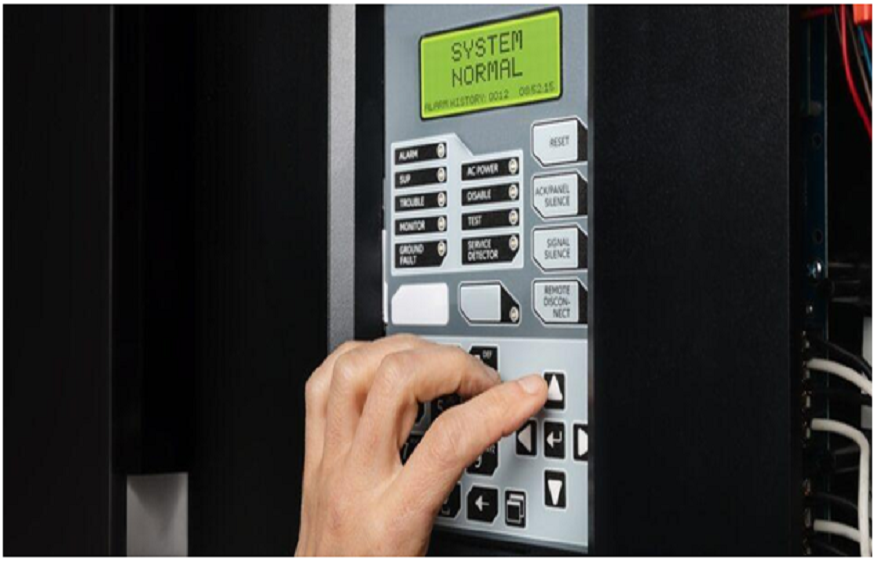
Fire code changes in Texas rarely feel like one clean update that applies everywhere. More often, they show up through local adoption cycles, local amendments, and how each jurisdiction chooses to enforce the same safety goal. That is why two similar buildings can face different requirements based on where they are built.
For developers and facility teams, the goal is not to memorize every code section. The goal is to understand what tends to change and what the AHJ will verify at closeout. When they plan for those expectations early, they avoid late redesigns, re-tests, and the end-of-project scramble that can delay occupancy or turnover.
Why are Texas Fire Code Changes Local in Practice
Texas jurisdictions often adopt model codes on different timelines, and many add local guidance that shapes how rules are applied in the field. That means the “current” requirement can vary by city, and enforcement can vary even when the building type looks the same. Teams that assume one statewide rule often find out late that their local AHJ expects a different approach.
Read More: How to Measure Success with Your Revops Agency
The most practical move is to treat the AHJ as part of planning, not a final checkpoint. They can ask which code edition is used, which amendments apply, and what the jurisdiction wants to see at acceptance. When the expectation is clear, teams can align design, scheduling, and closeout documents early instead of reacting under deadline pressure.
How IFC 510 Drives Coverage Public Safety Requirements
A common driver behind emergency responder radio coverage is IFC Section 510. It ties in-building coverage expectations to the existing outdoor public safety network and gives the AHJ a basis to require supplemental coverage when a building blocks signal. Many teams first run into it when an inspector asks how coverage will be verified in stairwells, garages, and deep interior areas.
This is where public safety DAS becomes less of a “nice idea” and more of a measurable deliverable. The AHJ typically wants proof, not assumptions, and that proof often comes from a defined test method, required areas, and clear pass criteria. When teams plan around those details early, they reduce the risk of rework when the building is already finished.
Power, Battery Backup, and Monitoring Expectations are Tightening
Even when coverage levels are the headline, many inspections also focus on whether the system stays operational during power issues. AHJs often expect backup power, clear supervision, and status visibility so building staff can tell when a fault occurs. If those pieces are not planned, teams can end up passing signal tests but still failing final acceptance.
Monitoring is also becoming harder to treat as optional. Inspectors may want clear trouble reporting, accessible status points, and documentation showing how alerts are handled. When teams plan power, grounding, battery placement, and monitoring pathways from the start, they avoid last-minute electrical changes and the delays that come from rerouting infrastructure through finished spaces.
Why Listed Equipment Matters in DAS System Reviews
One trend teams are seeing more often is stricter attention to listed and labeled components. Inspectors may ask whether key devices match recognized safety and performance expectations, especially when the system supports emergency responder communications. When this step is skipped, projects can stall late because equipment choices need to be replaced or resubmitted.
For a distributed antenna system intended to support public safety radios, which can affect both purchasing and scheduling. Equipment changes late in the job can push testing dates, which then push approvals. Teams lower this risk by confirming listing expectations early, keeping submittals organized, and making sure installation matches manufacturer requirements during construction.
What Developers Should Include in Permit Sets and Submittals
Code-driven radio coverage is easier to deliver when it is visible in the permit set, not hidden as a late add-on. Developers can reduce friction by including early notes on equipment room locations, pathway intent, and areas expected to be tested. Clear drawings also help other trades coordinate around antenna placement, ceiling layouts, and fire-rated pathway needs.
Submittals should also match how the AHJ reviews projects. Many jurisdictions want clear equipment cut sheets, diagrams, power and battery details, and a testing plan that aligns with local acceptance methods. When these items are prepared early, the approval process usually moves faster. It also reduces surprises when inspectors ask for proof that the plan matches what was actually built.
How Building Materials and Layouts Affect Compliance Outcomes
Some “code changes” feel new because buildings are changing. Concrete cores, heavy steel, low-E glass, and dense fire-rated assemblies can block signals more than teams expect. Large garages, long corridors, and deep interior zones create shadow areas that are hard to fix late. When designers map these zones early, they can plan antenna locations and pathways with fewer compromises.
Tenant build-outs also matter. A building can pass once and then shift after walls, secure rooms, or high-density storage are added. That is why planning should consider future layouts, not only day-one conditions. When teams document baseline performance and keep good as-built, it becomes easier to re-check coverage after renovations and avoid painful surprises during follow-up reviews.
Testing and Documentation Help Projects Pass and Stay Compliant
Most AHJs rely on repeatable testing, not quick walk checks. If the test grid, tools, and critical areas are not aligned, results can be challenged, and re-testing can follow. Teams lower that risk by scheduling pre-tests, confirming access to stairwells and garages, and testing when the building is close to final condition. That timing matters because doors, ceilings, and partitions can change readings.
A clean report package is just as important as strong numbers. For a distributed antenna system, inspectors often expect clear floor plans, marked test points, calibration details, and pass summaries by area. Keeping organized records also supports future re-verification after tenant changes. When a second public safety DAS check is needed later, good documentation makes it quicker and easier to defend.
How to Build a Simple Compliance Checklist before Construction
Developers can avoid a lot of late-stage stress by creating a short checklist tied to the AHJ’s usual expectations. That list should include the adopted code edition, critical areas that must be tested, equipment room location, pathway and riser planning, power and battery needs, and the reporting format required at closeout. When these items are confirmed early, teams can lock scope and reduce surprise changes.
The checklist should also include timing. Teams can note when pre-testing will happen, when the final grid test should be scheduled, and who needs to witness or review results. This approach helps prevent rushed testing and missing documentation. It also makes handoff cleaner because building owners receive clear records they can use later during renovations, audits, or re-verification requests.
Conclusion
Fire code shifts in Texas tend to affect in-building responder communications through local adoption, enforcement priorities, and tighter expectations around verification and documentation. The biggest practical changes often show up in what the AHJ wants to see at closeout, how testing must be performed, and how clearly a team can prove performance in critical areas. Early coordination reduces delays and lowers the chance of rework when schedules are tight.
CMC communications can support teams by helping them plan around AHJ expectations, testing readiness, and inspection-friendly documentation from the start. Their team can also help keep milestones aligned with construction sequencing, which makes projects easier to close out and easier to maintain after turnover.
Frequently Asked Questions
Question: Do fire code changes in Texas apply the same way in every city?
Answer: Not always. Many jurisdictions adopt model codes on different timelines and may add local amendments or guidance. Enforcement can also vary, even for similar buildings. Teams usually confirm the local code edition and the AHJ’s acceptance method early, so the design and testing plan match what the inspector expects.
Question: What triggers an AHJ to require in-building radio coverage proof?
Answer: It often happens when testing shows responders cannot communicate reliably in key areas like stairwells, garages, and deep interior corridors. New construction, major renovations, and occupancy changes can also increase scrutiny because they create formal review points. The AHJ typically focuses on areas responders are most likely to use during an incident.
Question: Why do projects fail late if coverage seems “fine” during construction?
Answer: Informal checks can miss small dead zones that appear in structured grid testing. Buildings also change as doors, ceilings, and tenant walls are installed, which can weaken the signal in specific spots. Projects can also fail due to missing documentation, unclear test points, or calibration gaps, even when coverage is close.
Read More: Top Trends in Exhibit Fabrication: What to Expect in 2024
Question: What should teams keep in the closeout package for future needs?
Answer: They should keep as-built drawings, test grids and results, equipment details, and power and battery documentation. These records help when the building is renovated, when a tenant changes the layout, or when an AHJ requests re-verification. Good records also make troubleshooting faster if coverage complaints appear later.
Question: How can teams reduce the risk of re-testing delays?
Answer: They can confirm AHJ expectations early, schedule a pre-test window, and plan final testing when the building is near final condition. It also helps to reserve access to stairwells, garages, and equipment rooms so testing is not rushed. Clear reporting, with mapped test points and organized summaries, also reduces back-and-forth during inspection review.