How A Fiber Optic Cable Installation Improves Network Speed For Busy Commercial Properties
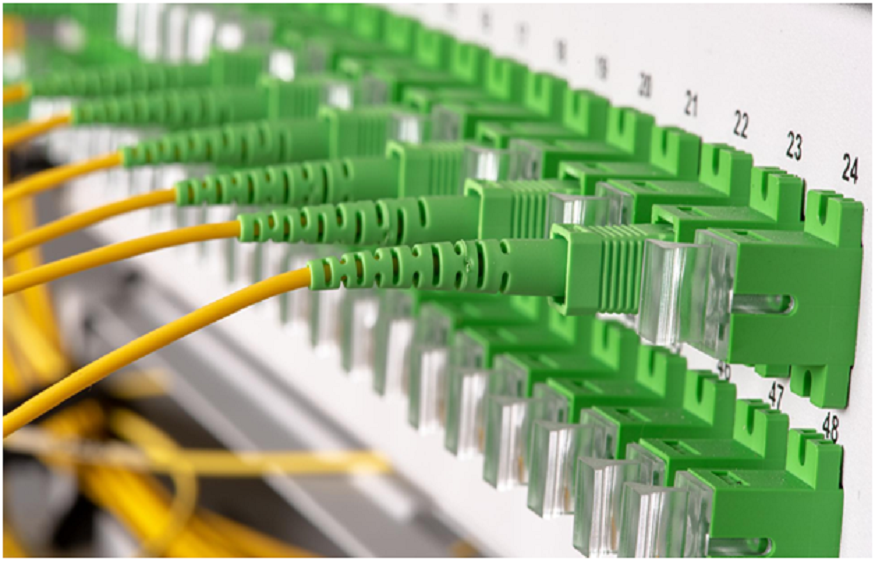
Busy commercial properties rarely suffer from one “big” network problem. They usually deal with a pattern: video calls that get choppy at peak hours, cloud apps that stall in specific wings, and help-desk tickets that spike every time a floor fills up. What makes it frustrating is that hardware refreshes alone do not always fix the experience. If the backbone is constrained, everything layered on top feels inconsistent.
Fiber changes that equation because it upgrades the transport layer that every device depends on. When pathways are clean, splices are protected, and testing is documented, speed becomes repeatable across floors and closets. That stability matters for offices, warehouses, retail, and medical spaces where cameras, access control, VoIP, and business apps all compete for bandwidth at the same time. It also keeps upgrades calmer because teams can expand capacity without ripping open finished areas.
Why Fiber Cable Install Upgrades Deliver Real Speed Gains
Most speed complaints are really about predictable throughput, not a one-time speed test. When traffic loads rise, older backbones can introduce congestion, packet loss, or unexpected latency that shows up as lag in the tools teams rely on all day. Fiber improves the foundation by moving more data with less signal degradation over distance, especially between telecom rooms, IDFs, and core locations. That helps the network stay smooth when a building is fully active.
Read More : Why A Phone VoIP System Is A Smarter Choice For Modern Office Communication
A well-scoped fiber optic cable installation also addresses the “busy path” problem. If conference floors, call-heavy departments, or camera-heavy zones share the same constrained uplink, everything feels slow at the same time. Fiber allows property teams to right-size those trunks and reduce bottlenecks that are hard to solve at the switch level alone. The goal is not just speed, but consistency in the places tenants feel performance most.
Bandwidth Growth Planning Without Repeated Rework
Commercial properties grow in messy ways. Tenants add staff, devices multiply, and new systems like security expansions or smart-building platforms increase traffic quietly. Fiber makes growth easier when the design includes spare capacity, serviceable pathways, and clear strand assignments. That way, increasing bandwidth is often a controlled change at the core and closets, not a disruptive rebuild across occupied floors.
Planning also protects budgets. When the backbone is built with headroom and clean documentation, owners can fund improvements in phases and still keep performance predictable. They avoid the cycle of reactive fixes that start with “just add one more link” and end with costly ceiling rework. A future-ready backbone also makes other upgrades work better, because Wi-Fi, VoIP, and camera systems perform more consistently when the transport layer is stable.
Pathway Planning For Pro Fiber Installers Consistent Performance
Fiber is fast, but it is also physical, and physical mistakes can quietly erase the benefit. Bend radius violations, crushed conduit sections, and poor pathway protection are common causes of intermittent issues that look like “random network problems.” Good pathway planning protects runs through risers, ceilings, and long corridors, so maintenance activity does not turn into accidental damage later. It also keeps service work quieter because techs are not guessing where a run disappears.
A professional fiber installer will usually focus on serviceability as much as raw speed. They plan trays, slack, and access points so future changes do not require opening multiple tenant ceilings just to reach a splice or reroute a segment. They also coordinate penetrations and fire-rated areas correctly, which reduces rework and helps keep projects on schedule. In busy properties, that discipline lowers disruption and protects long-term reliability.
Splicing and Termination That Prevent “Mystery” Slowdowns
Most fiber issues are not dramatic. They are small losses that stack up: dirty connectors, rushed polishing, poorly protected splices, or inconsistent end-face quality. Those problems can translate into errors that only show up under load, which is why buildings sometimes “test fine” and still feel slow in real use. Clean termination and protected splicing prevent that drift and make performance easier to trust over time.
A second fiber optic cable installation advantage is clarity. When terminations are standardized and splices are documented, technicians can trace a problem quickly and isolate the affected segment instead of chasing guesses across multiple closets. That reduces downtime and keeps tenant disruption smaller. It also supports future expansion because spare strands and patch fields can be used confidently, without fear that a “quick add” will create a new weak link.
Testing and Closeout That Prove the Backbone is Ready
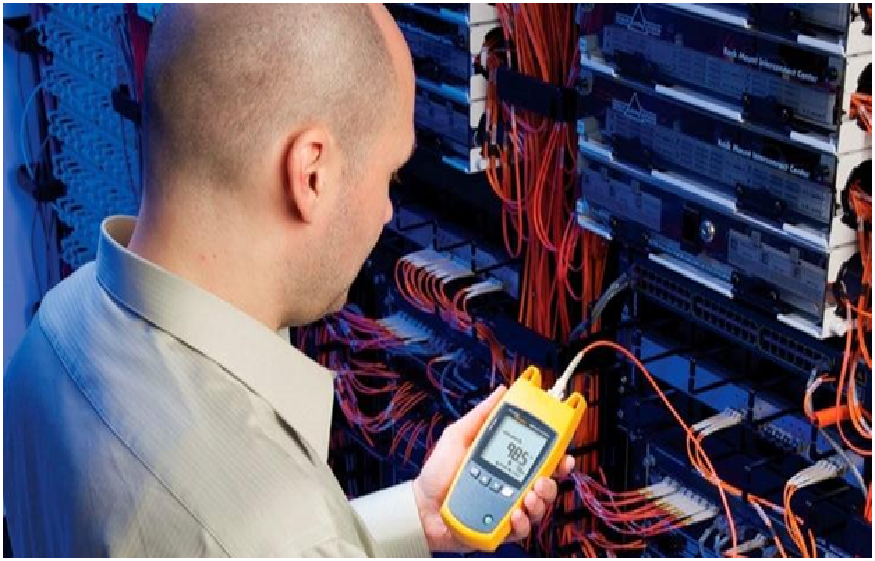
Testing is the difference between “installed” and “verified.” OTDR traces, power measurements, and certification results give owners a baseline that can be compared later after remodels or equipment changes. Without that baseline, troubleshooting becomes slower because teams do not know what “good” looked like on day one. A solid closeout package also keeps vendor transitions smoother, since new teams can step in without rediscovering the site.
This is where a professional fiber installer adds real value beyond the pull and terminate work. Their team will align labels, drawings, and test records so rack tags match the documentation and the documentation matches reality. That alignment saves hours when something needs to be changed quickly, especially in multi-tenant buildings with tight access rules. It also makes upgrades less disruptive because teams can plan work from accurate records instead of opening ceilings to confirm basics.
Scheduling the Work So Operations Stay Calm
Fiber projects can be low-impact, but only if scheduling is intentional. Busy properties benefit from zone-based phasing, where crews complete one riser segment or one closet area at a time, then restore ceilings and clean up before moving on. Noisy tasks can be batched outside peak business hours, while daytime work focuses on quieter activities like labeling, rack work, and controlled pulls. That approach keeps tenants productive and reduces complaints.
Communication is the multiplier. Weekly look-ahead notes, clear maps of affected areas, and one point of contact help security and tenant managers coordinate escorts and access rules. When people know what to expect, they cooperate more, and the project moves faster. In practice, that cooperation often saves more time than any technical shortcut. It also protects the building’s appearance, which matters in client-facing corridors and premium suites.
Conclusion
A faster network experience is usually the result of a stronger backbone, not just newer endpoints. Fiber improves speed by removing bottlenecks between closets and core equipment, and by delivering a transport layer that stays stable under peak load. When pathways are protected, terminations are clean, and testing is documented, performance becomes repeatable in the spaces where people work, meet, and move every day.
CMC communications can support commercial teams with structured fiber planning, clean installation practices, and closeout documentation that stays useful after remodels and expansions. Their team helps owners reduce downtime, speed up troubleshooting, and build a backbone that scales without turning every upgrade into a disruptive building project.
Frequently Asked Questions
Question: How do teams know if fiber will actually improve speed for their property?
Answer: They can start by mapping complaint zones and identifying which closet-to-core links are congested. If peak-hour slowdowns hit multiple services at once, the backbone is often the constraint. A baseline assessment helps confirm where upgrades will matter most.
Question: What mistakes most often reduce fiber performance after installation?
Answer: Common issues include tight bends, dirty connectors, poorly protected splices, and unclear labeling. These problems can create losses that show up under load, not during quick checks. Good pathway protection and documented testing reduce long-term drift.
Question: What should owners request in the closeout package?
They should request as-built drawings, strand assignments, labeling maps, and certification results for key links. OTDR traces for trunk paths are also useful. Keeping everything in one shared folder makes future changes faster and less disruptive.
Question: Can fiber work be done in occupied buildings without major disruption?
Answer: Yes, if work is phased by zone and noisy tasks are scheduled outside peak hours. Daytime activity can focus on closet work, controlled pulls, and labeling. Same-day ceiling restoration and clear tenant communication help maintain trust.
Read More : Understanding Fire Code Changes in Texas That Impact Public Safety DAS Systems
Question: How does fiber support future expansions and device growth?
Answer: Fiber creates headroom so new users and systems can be added without rebuilding the backbone. With spare strands and serviceable pathways, upgrades often become configuration changes instead of construction. That keeps budgets predictable and reduces tenant downtime.